
Accenta Burglar Alarm User Manual: A Comprehensive Guide
Welcome! This comprehensive guide unlocks the full potential of your Accenta alarm system, streamlining security and boosting peace of mind.
It details operation,
installation, and troubleshooting, ensuring a smooth and efficient experience with your new device.
Congratulations on selecting the Accenta burglar alarm system – a robust and reliable security solution designed to protect your property and loved ones. This system represents a significant step towards enhanced safety, offering a range of features tailored to meet diverse security needs. The Accenta system is compatible with various devices, ensuring flexibility and scalability.
This user manual serves as your primary resource for understanding and operating your alarm system effectively. Whether you’re a first-time user or familiar with security systems, this guide provides clear, concise instructions to navigate all aspects of the Accenta system. From initial setup and programming user codes to interpreting alarm activations and performing system tests, we’ve covered everything you need to know.
The Accenta system is designed for ease of use, but proper understanding of its functionalities is crucial for optimal performance. Remember to consult your installer if you have any questions or require assistance. Your security is our priority, and we are committed to providing you with a seamless and secure experience. This manual will guide you through the system’s capabilities, ensuring you feel confident and in control of your home’s security.
Understanding the Control Panel
The Accenta control panel serves as the central hub of your alarm system, managing all security functions and providing vital system information. Familiarizing yourself with its components is essential for effective operation. The panel typically features a keypad for entering codes, a display screen for status updates, and various indicator lights signaling system arming, faults, or alarm activations.
Key elements include the ‘Set’ button for arming the system, the ‘Disarm’ button for deactivating it, and the ‘Reset’ button for acknowledging and clearing alarm events. The display screen will show the zone that triggered an alarm, allowing for quick identification of the potential issue. Pay attention to the PCB (Printed Circuit Board) indicators, specifically the strobe, which visually confirms alarm events.
Tamper alarms, indicated on the panel and remote keypads (RKPs), signal unauthorized attempts to compromise the system. The control panel also manages battery backup, ensuring continued operation during power outages. Regularly check the panel for any fault indications and refer to the troubleshooting section of this manual for assistance. Understanding these features empowers you to effectively monitor and control your Accenta alarm system.
Keypad Functions and Operation
The Accenta alarm system’s keypad is your primary interface for controlling and interacting with the security system. Entering your valid user code is crucial for both setting (arming) and disarming the alarm. The keypad allows you to manage the system’s status, acknowledge alarms, and access certain programming functions, depending on your user level.
To arm the system, typically you’ll enter your code followed by pressing the ‘Set’ or ‘Arm’ button. Disarming requires entering your code, which will then display the cause of any recent alarm activation. After investigating, press ‘Reset’ to clear the event. Remember to allow sufficient time for the system to fully arm or disarm – indicated by audible beeps or visual cues on the control panel display.
The keypad also facilitates changing user codes (refer to the dedicated section for detailed instructions). If you encounter issues, consult your installer or the troubleshooting guide. Both the main control panel and optional remote keypads function similarly, offering convenient control from multiple locations within your property. Always keep your user code confidential to maintain system security.
Setting and Disarming the Alarm
Setting, or arming, your Accenta alarm system initiates security protection. Typically, this is achieved by entering your valid user code on the keypad followed by pressing the ‘Set’ or ‘Arm’ button. The system will then enter a defined arming period, usually accompanied by audible beeps, allowing you to exit the premises safely. Ensure all doors and windows are securely closed before arming.
Disarming the system requires entering your correct user code. Upon successful entry, the system will display the cause of any triggered alarm, if applicable. It’s vital to investigate the reason for any alarm activation before resetting the system. Press the ‘Reset’ button after confirming the situation is secure to clear the alarm condition.
Remember that a delay period exists for both setting and disarming, providing time to leave or enter the property without triggering a false alarm. Familiarize yourself with these timings. Incorrect code entry may result in a system fault – consult the troubleshooting section if this occurs.
User Codes: Creation and Management
Your Accenta alarm system utilizes unique user codes for operation, enhancing security and allowing personalized access. Initial codes are often pre-set by the installer, but it’s crucial to change these immediately for optimal protection. Creating new codes involves accessing the system programming menu via the control panel, typically requiring a master code.
When establishing codes, choose combinations that are easy to remember for authorized users but difficult for others to guess. Avoid obvious sequences like birthdays or addresses. The system allows for multiple user codes, each with potentially different access levels – for example, a master code with full system control and standard user codes with limited functionality.

Regularly review and update user codes, especially when personnel changes occur. If a code is compromised, immediately delete it and create a new one. Detailed instructions for code management are found within the system’s programming section of this manual. Always keep a secure record of authorized user codes, separate from the system itself.
Alarm Zones and Their Significance
The Accenta alarm system divides your property into distinct ‘zones’, each monitored for potential intrusions. Understanding these zones is vital for accurate alarm interpretation and response. Common zones include entry/exit points like doors and windows, internal areas such as hallways and living rooms, and perimeter defenses like gardens or outbuildings.
Each zone is assigned a specific number or name, displayed on the control panel during an alarm event. This allows you to quickly identify the location of the breach. For example, zone ‘01’ might represent the front door, while zone ‘05’ could indicate a ground-floor window. The installer configures these zones based on your property’s layout and security needs.
Different zones can be programmed with varying sensitivities and response types. Some zones might trigger an immediate alarm, while others may offer a delay for disarming. Knowing the significance of each zone enables you to efficiently investigate alarms and provide accurate information to the Alarm Receiving Centre (ARC) if necessary.
Interpreting Alarm Activations & Displays
When your Accenta alarm activates, the control panel provides crucial information to help you understand the situation. A triggered alarm will typically be indicated by audible sirens and flashing lights. Simultaneously, the display panel will show the zone number or name that initiated the alarm – for instance, “Zone 01 – Front Door”.

Understanding the display is key. A ‘Tamper Alarm’ indicates someone has attempted to interfere with the system itself, like opening the control panel. A ‘Fault’ message signals a problem with a sensor, potentially a low battery or communication issue. The system may also display the time and date of the activation;
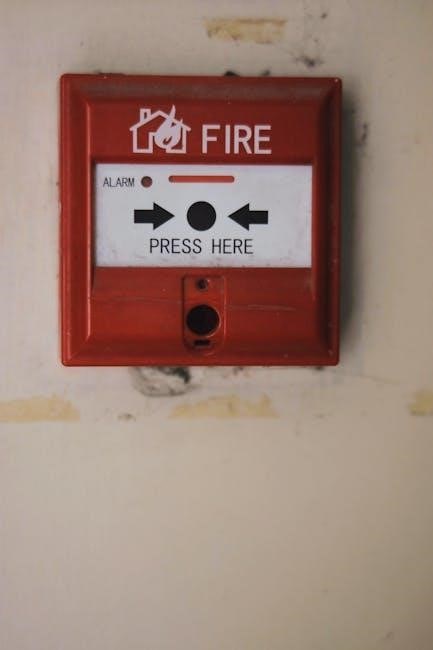
If an intruder alarm occurs, immediately investigate the cause, ensuring your own safety first. After investigation, use the ‘Reset’ button to clear the alarm. If you are unsure or unable to resolve the issue, contact your installer or the ARC. Remember, a quick and informed response is vital for effective security.
Remote Keypad Functionality (Optional)
The Accenta and Optima systems offer the convenience of an optional remote keypad (RKP), extending control beyond the main control panel. This allows for arming and disarming the system from strategic locations within your property, such as near entry doors or in bedrooms, enhancing accessibility and speed of response.
RKPs mirror the functionality of the main keypad, enabling code entry for setting, disarming, and utilizing features like the personal attack function; They also display alarm causes after an activation, providing immediate insight into the triggering zone. Tamper alarms, indicating attempted interference with the RKP itself, are also displayed.
Installation and programming of the RKP are typically handled by your installer. Ensure the RKP is securely mounted and has a reliable power source. Regular testing, alongside the main system, is recommended to confirm its operational status. The RKP provides an added layer of security and convenience for your Accenta system.
System Testing and Walk Tests
Regular system testing is crucial to ensure the continued reliability of your Accenta burglar alarm. Following installation, and periodically thereafter (at least every six months), perform a comprehensive walk test to verify all zones are functioning correctly. This involves deliberately activating each detector – opening doors and windows, triggering motion sensors – while the system is armed in test mode.
To initiate a test, consult the ‘Setting and Disarming the Alarm’ section for instructions on entering test mode using your user code. Observe the control panel and remote keypads (if installed) to confirm each zone registers an activation. Note any zones that fail to respond, and immediately contact your installer for assistance.

Walk tests also familiarize you with the alarm’s response and identify any potential issues before an actual emergency. Remember to inform your Alarm Receiving Centre (ARC) before conducting a test to avoid false alarm signals. Consistent testing provides peace of mind and confirms your system’s readiness.
Changing User Codes
Maintaining the security of your Accenta alarm system requires regularly changing your user codes. Avoid easily guessable codes like birthdays or consecutive numbers. To modify your code, enter programming mode using the master user code – consult your installer for this code if unknown. The system will prompt you to enter the existing user code, followed by the new, desired code.
Ensure the new code meets the system’s requirements, typically a four to six-digit number. Confirm the new code by re-entering it when prompted. A successful code change will be indicated on the control panel display. Remember to memorize your new code and keep it confidential.
It’s advisable to change codes whenever personnel changes occur or if you suspect a compromise. Regularly updating codes significantly enhances the security of your Accenta system. If you encounter difficulties, refer to the ‘Troubleshooting Common Issues’ section or contact your installer for assistance.
Tamper Alarm Notifications
Your Accenta alarm system is equipped with tamper protection, designed to alert you if someone attempts to interfere with the system’s components. Tamper alarms are triggered when an attempt is made to open or remove the control panel, or any connected devices like keypads. These events immediately generate a full alarm condition, activating the siren and initiating communication with the Alarm Receiving Centre (ARC), if connected.
Tamper alarms are clearly indicated on both the control panel and any remote keypads (RKPs) installed. The system distinguishes between a tamper alarm and a standard intrusion alarm, providing specific information about the source of the activation. This allows for quick identification of potential sabotage attempts.
Responding to a tamper alarm requires immediate investigation. Do not attempt to repair or adjust the system yourself; contact your installer. Ignoring tamper alarms can compromise the entire security system. The PCB indicators, specifically the strobe, will also activate during a tamper event, providing a visual alert.
Remote Signalling to ARC (Alarm Receiving Centre)
Your Accenta alarm system offers the capability of remote signalling to an Alarm Receiving Centre (ARC), providing a crucial layer of security and rapid response in the event of an alarm activation. When an alarm occurs, the system can automatically transmit detailed information – including the zone triggered and alarm type – to the ARC for immediate assessment.

This connection allows trained professionals at the ARC to verify the alarm, attempt to contact you, and dispatch emergency services if necessary. The speed of this response can significantly reduce potential losses and ensure your safety. A short delay between an intruder alarm and a restore signal at the ARC can be utilized to filter false alarms.

Proper configuration of the ARC connection is essential. Ensure your installer has correctly programmed the system with the ARC’s communication details. Regular testing of the signalling pathway is recommended to confirm reliable communication. Contact your monitoring provider for details on testing procedures and service agreements.
Battery Backup and Power Considerations
The Accenta alarm system is designed with a robust battery backup system to ensure continued operation even during power outages. This backup power sustains the control panel and essential components, maintaining security while the mains power is unavailable. Regular testing of the battery is crucial to verify its functionality and longevity; the system typically performs self-tests, indicated on the control panel.
However, batteries have a limited lifespan and will eventually require replacement. The frequency of replacement depends on usage and environmental factors, generally every 3-5 years. A low battery warning will be displayed on the panel, prompting you to schedule a replacement with a qualified installer.
Regarding power considerations, it’s recommended to connect the control panel to a dedicated power outlet, avoiding shared circuits with high-demand appliances. This minimizes the risk of power fluctuations affecting system performance. Always use the provided power adapter and ensure proper grounding for optimal operation and safety.
Troubleshooting Common Issues
Encountering issues with your Accenta alarm system can be stressful. Common problems include false alarms, keypad malfunctions, and communication failures. For false alarms, first, investigate the cause – often a forgotten open door or window. Reset the system after addressing the issue. If keypad buttons become unresponsive, try restarting the panel by briefly disconnecting the power.
Communication failures, indicated by a loss of signal to the Alarm Receiving Centre (ARC), may require checking the phone line or wireless connection. Ensure the line isn’t cut or the wireless signal is strong. Tamper alarms, triggered by attempts to open the control panel, should be investigated immediately.
If problems persist, consult the user guide for specific error codes displayed on the panel. Important: If you’re unable to resolve the issue, contact your installer for professional assistance. Do not attempt repairs yourself, as this could void the warranty and compromise system security.
Understanding PCB Indicators (Strobe)
The Printed Circuit Board (PCB) within your Accenta alarm system utilizes a strobe indicator to convey crucial system status information. This visual cue, often a flashing light, provides immediate feedback on alarm events, tamper alerts, and system faults. A rapidly flashing strobe typically signifies an active alarm condition, drawing attention to a potential intrusion.
A slower, intermittent flash often indicates a tamper alarm – meaning someone has attempted to access or disable the control panel. Understanding the strobe’s pattern is vital for quick assessment. A constant, solid light may signal a system fault requiring immediate attention, such as a low battery or communication error.
Refer to the system’s documentation for a detailed interpretation of each strobe pattern. Note: Tamper alarms in the ‘Set’ mode trigger a full alarm condition; The PCB strobe, alongside the control panel display, provides a clear visual representation of your system’s operational state, enhancing security awareness.
Personal Attack Functionality
The Accenta alarm system incorporates a dedicated Personal Attack function, providing a vital layer of security for individuals facing immediate threat. This feature allows users to discreetly signal for help, even when an intrusion hasn’t occurred; Activating the Personal Attack function immediately triggers a silent alarm transmission to the Alarm Receiving Centre (ARC), alerting authorities to a potential emergency.
Unlike a standard alarm activation triggered by a sensor, the Personal Attack is initiated manually, offering a crucial advantage in situations where a verbal threat or physical assault is imminent. Both Accenta and Optima systems support this functionality, enhancing personal safety.
To activate, typically a specific key combination or dedicated button on the keypad is pressed and held for a predetermined duration. Important: Familiarize yourself with the activation procedure during system testing. This feature provides peace of mind, knowing help is just a button press away, ensuring rapid response in critical situations.
Warranty Information and Support
Your Accenta burglar alarm system is covered by a comprehensive warranty, safeguarding against manufacturing defects for a specified period from the date of purchase. Please retain your proof of purchase, as this is required for any warranty claim. The warranty covers repair or replacement of faulty components, subject to terms and conditions detailed in the full warranty document – typically found within the original packaging or available for download online.

Accenta prioritizes customer satisfaction. Should you encounter any issues not covered by the warranty, or require assistance with system operation, a dedicated support team is available to provide expert guidance. Contact details for technical support, including phone numbers and email addresses, are listed at the front of this User Guide and on the Accenta website.
For installation-related queries or complex troubleshooting, we recommend contacting your original installer. They possess specific knowledge of your system configuration. Remember to review the complete User Manual for detailed instructions and frequently asked questions.
Accenta G3/Mini G3 Installation Notes
When installing an Accenta G3 or Mini G3 panel, meticulous attention to detail is crucial for optimal performance and reliability. Ensure the panel is mounted in a secure, dry location, protected from potential tampering and environmental factors. Proper wiring and adherence to local building codes are paramount. Always disconnect power before commencing any wiring work.
Verify correct zone configuration during installation, aligning each zone with its designated sensor type and location. Accurate zone programming is essential for precise alarm identification and response. The Operating Instructions, attached to the center of this manual, provide detailed guidance on system setup and programming procedures.
Pay close attention to tamper protection features. Tamper alarms, triggered by unauthorized access to the panel, initiate a full alarm condition. Confirm that all tamper switches are functioning correctly. Thorough testing post-installation is vital to validate system functionality and ensure all components are communicating effectively.